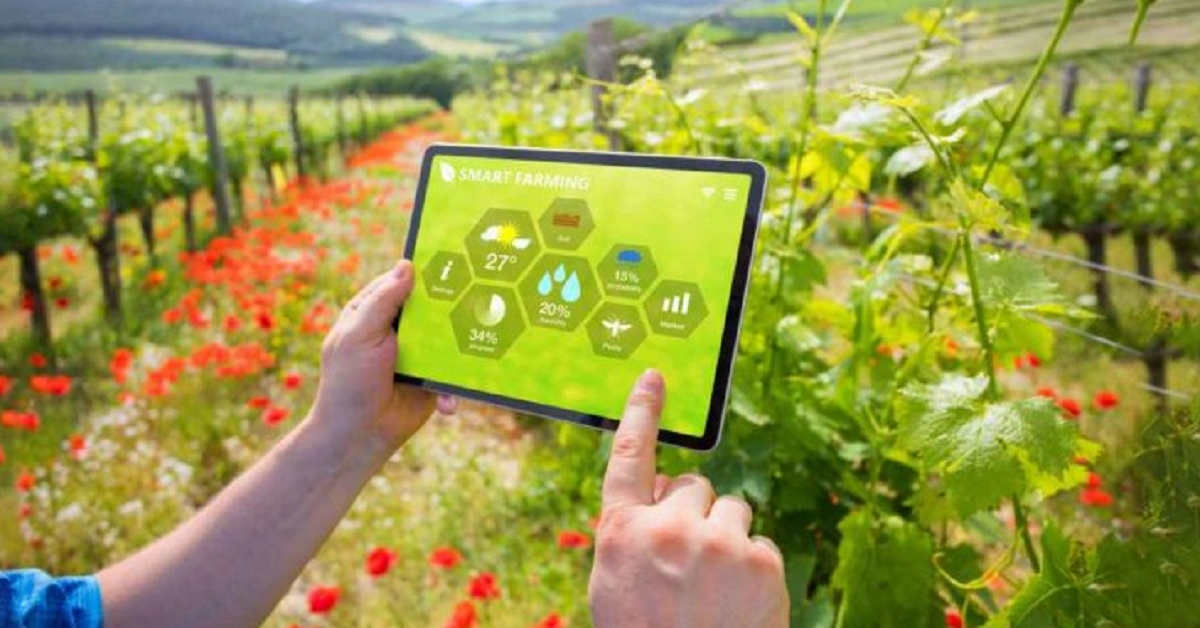
Digital infusing aggr8tech is rapidly redefining how agriculture functions in the modern era. At its core, it represents the integration of advanced digital technologies into agricultural systems to improve efficiency, productivity, and sustainability. Farmers today are no longer limited to manual observation or traditional knowledge alone; instead, they are increasingly relying on real-time data, automated systems, and intelligent algorithms to make informed decisions. This shift is not merely technological—it is transformational, reshaping the entire agricultural value chain from soil preparation to market delivery.
The importance of digital infusing aggr8tech has grown significantly due to global challenges such as population growth, climate change, and resource scarcity. With the world population expected to rise dramatically, food production must increase without compromising environmental health. Digital agriculture offers a solution by enabling precise, data-driven farming practices that reduce waste and maximize output. In essence, it empowers farmers to grow more with fewer resources while maintaining ecological balance.
Moreover, digital infusing aggr8tech enhances resilience in agriculture. By providing predictive insights and adaptive tools, it helps farmers respond to unpredictable weather patterns and market fluctuations. This proactive approach ensures stability and long-term sustainability in an otherwise volatile sector.
Evolution of Agricultural Practices
Agriculture has undergone a remarkable transformation over the centuries. Traditionally, farming relied heavily on manual labor, seasonal cycles, and experiential knowledge passed down through generations. While these methods were effective in their time, they often lacked precision and scalability. The introduction of mechanization during the industrial era marked the first major shift, enabling farmers to increase productivity through machinery such as tractors and harvesters.
However, the real revolution began with the advent of digital infusing aggr8tech. Modern agriculture now incorporates cutting-edge technologies that provide real-time insights and automate complex processes. This transition from traditional to digital farming has significantly improved efficiency and reduced human error. Farmers can now monitor soil conditions, track crop health, and manage resources with unparalleled accuracy.
Technological breakthroughs such as satellite imaging, sensor networks, and machine learning have further accelerated this evolution. These innovations allow farmers to make data-driven decisions, optimizing every aspect of farming operations. As a result, agriculture has become more scientific, precise, and sustainable than ever before.
Core Technologies in Digital Infusing Aggr8Tech
Digital infusing aggr8tech is powered by a combination of advanced technologies that work together to create intelligent farming systems. One of the most critical components is the Internet of Things (IoT), which connects devices such as sensors, drones, and machinery. These devices collect data on soil moisture, temperature, humidity, and crop conditions, providing farmers with a comprehensive view of their fields.
Artificial intelligence plays an equally important role by analyzing this data and generating actionable insights. AI algorithms can predict crop yields, detect diseases, and recommend optimal planting schedules. This level of intelligence enables farmers to make proactive decisions rather than reactive ones.
Big data analytics further enhances the capabilities of digital agriculture by processing vast amounts of information from multiple sources. By identifying patterns and trends, it helps farmers optimize resource usage and improve overall efficiency. Meanwhile, cloud systems ensure that this data is securely stored and easily accessible, allowing farmers to manage their operations from anywhere in the world.
Together, these technologies form the backbone of digital infusing aggr8tech, enabling a seamless integration of data, automation, and decision-making processes.
10 Game-Changing Innovations
Digital infusing aggr8tech has introduced numerous innovations that are transforming agriculture in profound ways. Precision agriculture, for instance, allows farmers to apply water, fertilizers, and pesticides with pinpoint accuracy, reducing waste and improving crop health. Smart irrigation systems take this a step further by using real-time data to optimize water usage, ensuring that crops receive the right amount of hydration at the right time.
Drone monitoring has become increasingly popular, providing aerial views of fields and enabling early detection of issues such as disease or nutrient deficiencies. Predictive analytics uses historical and real-time data to forecast weather patterns and crop performance, helping farmers plan more effectively.
Automation is another key innovation, with machines handling tasks such as planting, harvesting, and sorting. This not only saves time but also reduces labor costs. Digital supply chains improve transparency and efficiency by tracking products from farm to market, minimizing losses and ensuring quality.
Resource optimization tools help farmers manage inputs such as water, energy, and fertilizers more efficiently, while climate-smart farming techniques enable adaptation to changing environmental conditions. Pest detection systems use AI to identify infestations early, reducing crop damage. Finally, yield maximization strategies leverage data insights to increase production without compromising sustainability.
Benefits of Digital Infusing Aggr8Tech
The benefits of digital infusing aggr8tech are extensive and multifaceted. One of the most significant advantages is increased productivity. By leveraging data and automation, farmers can produce higher yields with greater efficiency. This is particularly important in meeting the growing global demand for food.
Cost reduction is another major benefit. Although the initial investment in digital technologies can be high, the long-term savings are substantial. Efficient resource usage, reduced waste, and optimized operations all contribute to lower overall costs.
Environmental sustainability is also a key advantage. Digital farming practices minimize the use of water, fertilizers, and pesticides, reducing their impact on the environment. This not only preserves natural resources but also promotes healthier ecosystems.
Challenges and Risks
Despite its many advantages, digital infusing aggr8tech is not without challenges. One of the primary barriers is the high initial cost of implementing advanced technologies. This can be particularly difficult for small-scale farmers who may lack the financial resources to invest in digital systems.
Data privacy and security are also significant concerns. As agriculture becomes increasingly data-driven, the risk of data breaches and cyberattacks grows. Ensuring the सुरक्षा of sensitive information is crucial for maintaining trust and reliability.
Another challenge is the skill gap among farmers. Many may lack the technical knowledge required to operate complex digital systems. Addressing this issue requires investment in education and training programs to equip farmers with the necessary skills.
Future Outlook
The future of digital infusing aggr8tech is incredibly promising. Emerging innovations such as blockchain, robotics, and advanced AI are set to further enhance agricultural efficiency and transparency. These technologies will enable even more precise and sustainable farming practices.
Global expansion is also المتوقع, as more countries recognize the potential of digital agriculture. Governments and organizations are increasingly investing in smart farming initiatives to improve food security and economic growth.
As digital infusing aggr8tech continues to evolve, it will play a crucial role in shaping the future of agriculture, ensuring that it remains resilient, efficient, and sustainable.
FAQs
1. What is digital infusing aggr8tech?
It is the integration of digital technologies into agriculture to improve efficiency, productivity, and sustainability.
2. Why is digital infusing aggr8tech important?
It helps address global challenges such as food security, climate change, and resource scarcity.
3. What technologies are used in digital agriculture?
Key technologies include IoT, artificial intelligence, big data, and cloud computing.
4. Is digital farming expensive?
While initial costs are high, long-term benefits and savings make it a worthwhile investment.
5. Can small farmers adopt digital infusing aggr8tech?
Yes, with the availability of affordable tools and government support, small farmers can also benefit.
6. What is the future of digital agriculture?
The future includes advanced technologies, global adoption, and increased sustainability.
Conclusion
Digital infusing aggr8tech is undeniably transforming agriculture in powerful and lasting ways. By integrating advanced technologies into farming practices, it enables greater efficiency, sustainability, and resilience. Although challenges remain, the benefits far outweigh the drawbacks, making it an essential component of modern agriculture.
As the world continues to face increasing demands for food and environmental sustainability, digital infusing aggr8tech will play a pivotal role in meeting these challenges. Farmers who embrace this transformation will be better equipped to thrive in the evolving agricultural landscape.